RestoHub Guide
Restaurant Marketing Strategies That Actually Drive Covers
Most articles on restaurant marketing strategies dump 25 tactics in a flat list. This guide does the opposite: it ranks the strategies that actually move covers for independents, names the ones that are usually a waste of money, and ends with a 90-day plan based on whether you're struggling, steady, or growing.
Why Most Restaurant Marketing Advice Fails Independents
Tactic count is the wrong metric — leverage per hour and per dollar is what fills seats.
The typical independent restaurant owner works 60–80 hours a week. Marketing time is whatever's left after payroll, prep, vendors, and family — usually 2–4 hours a week, max.
A 25-item tactic list assumes you have an agency. You don't.
Agencies can run 25 tactics because each person specializes. You can't copy that playbook by yourself, so most advice quietly assumes resources you don't have.
The reframe is simple: two strategies executed at 90% will out-earn 25 strategies executed at 30%. The rest of this guide is built around that constraint.
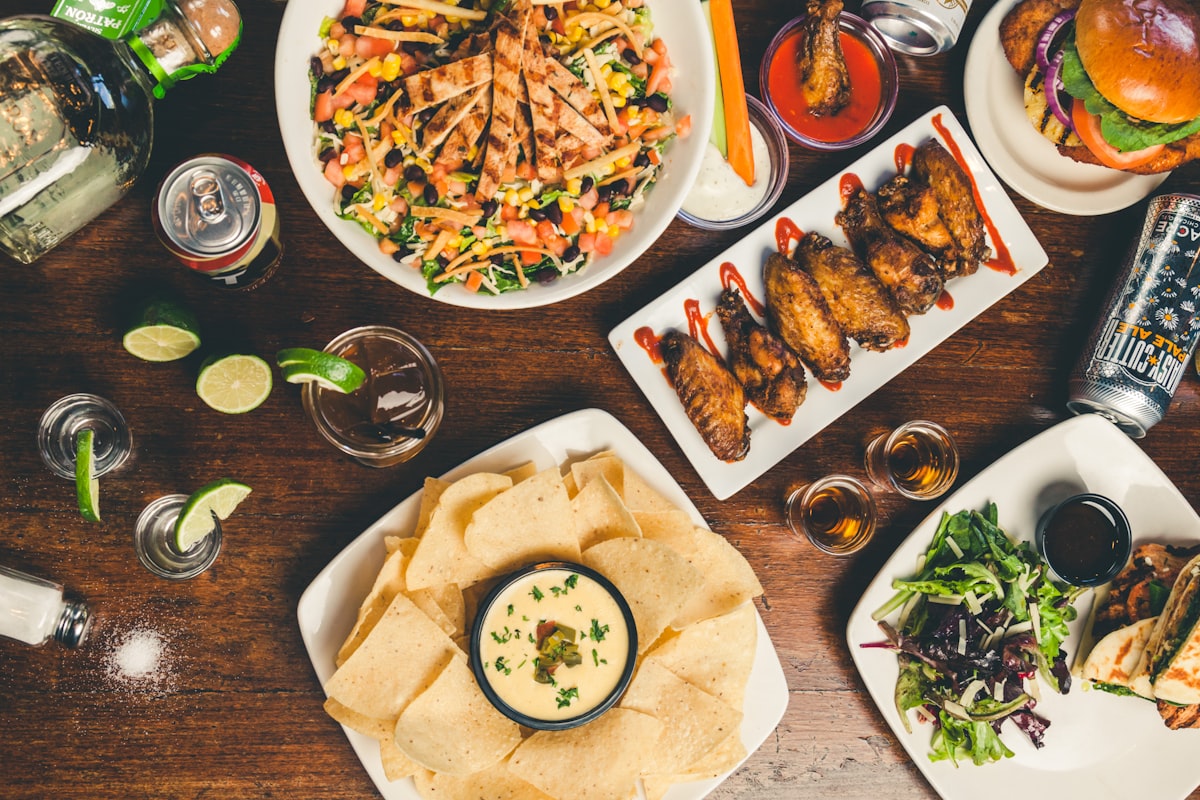
Start With Repeat Customers — The Foundation of Any Restaurant Marketing Strategy
A 10% lift in visit frequency from existing guests is worth more than 10x the equivalent ad spend chasing new ones.
Acquiring a new customer costs 5–7 times more than retaining one — that benchmark is well-documented across restaurant POS data. Every dollar chasing strangers is a dollar not earning compound returns from people who already chose you.
Here's the math most owners never run. 100 regulars, one extra visit per month, $35 average ticket — that's $3,500 in new monthly revenue.
No ad spend, no new customer acquisition cost. Just better follow-up with people who liked you enough to come back once.
- Capture contact data — at checkout, on the receipt, through your ordering page
- Tag by recency — last visit date is the only segmentation you need at the start
- Trigger a return visit — automated "we miss you" at 45–60 days lapsed
You don't need a CRM platform on day one. A spreadsheet plus a Mailchimp free plan covers it for the first 500 contacts.
Own Your Local Search Presence
Google Business Profile is the single highest-ROI channel in your restaurant marketing strategy because intent and proximity collide there.
Seventy-six percent of local searches lead to a same-day visit. That's not bookmarking for next month — that's "I'm hungry now, who's open and rated above 4.0." If you're not in the local pack, you're invisible at the moment of decision.
The four fundamentals that compound for free:
- Specific category — "Italian Restaurant" not "Restaurant"
- Fresh photos every month — 3–5 new ones, mixing food, interior, team
- Menu URL that points to your menu page, not your homepage
- Hours that match your website and door exactly
Review velocity beats review count. Five new reviews this month signals an active business; 200 reviews with nothing in 90 days signals stagnation. Ask in person right at checkout — never mid-meal, never via a generic email blast.

Turn Online Ordering Into a Marketing Channel
Every order on a third-party app rents you a customer you'll have to pay to reach again.
Uber Eats and DoorDash don't share customer email or phone with you. You take the 15–30% commission hit on each order, and you can't even text that customer next month. You're paying to acquire a customer the platform owns.
Direct ordering flips that. Each order builds an email and SMS list you own, with full purchase history. SMS opt-in rates at restaurant checkout consistently land in the 30–40% range with a simple prompt — "Want a text when your favorite items are back on the menu?"
That's where RestoHub fits in. RestoHub powers direct online ordering on your own domain and captures the customer data third-party apps keep from you — name, email, phone, order history, location. After that, you own the relationship and can market to those guests directly instead of paying a platform 25% commission to reach them again.

Paid Ads: When They Earn Their Keep in Your Restaurant Marketing Plan
Paid ads earn their place during specific moments — grand openings, slow dayparts, new menu launches — and rarely for general awareness.
For a sub-5-location independent, "always-on" brand campaigns on Meta burn budget. The geo radius is too small to build meaningful frequency without overlapping the same 8,000 people 30 times. They get sick of you before they convert.
The moments that justify paid spend:
- Grand opening within the first 30 days — Meta carousel ads to a 3-mile radius
- Slow midweek nights — Google Local Ads tied to a Tuesday-only offer
- New menu launch — promote the dish photography while it's fresh
Spend floor matters. Under $300/month in any single channel and you can't buy enough frequency to convert — better to save up two months and run one focused campaign.
Channels to skip almost always: radio, billboards, generic display, and direct mail outside your immediate delivery radius. Their cost-per-cover is rarely defensible at independent scale.

Email and SMS for Visit Frequency
Email and SMS earn their place because they target people who already chose you — the cheapest cohort to bring back.
Email and SMS sit at the top of the marketing channel hierarchy for a reason: the recipients are people who walked in once and gave you their contact info. That's the cheapest cohort in the world to bring back.
Segment by recency, not by demographics. Three buckets covers 80% of the value:
- New — first visit in the last 14 days, send a welcome with a small return incentive
- Regular — visited in the last 30 days, send menu updates and exclusive previews
- Lapsed — 60+ days since last visit, send a "we miss you" with a meaningful offer
Cadence rules keep your list healthy. SMS caps at two sends per month — push past that and unsubscribes spike. Email tops out at twice a month, and at least half the sends should be content (new dish, story, behind-the-scenes), not coupons.
The offers that consistently outperform:
- Birthday auto-reply with a free dessert or drink
- "We miss you" at 60 days lapsed with a time-bound discount
- New-menu preview for the top 20% by visit frequency
- Slow-night exclusive (Tuesday or Wednesday) tied to a single dish
A focused email and SMS list of 1,000 engaged guests will out-revenue a 10,000-follower Instagram account every quarter.
Your 90-Day Restaurant Marketing Plan Based on Where You Are
The right starting point depends on whether you're struggling, steady, or growing — not on what's trending on marketing Twitter.
The same restaurant marketing strategies don't fit every operator. A restaurant losing 20% of its covers needs different first moves than one that's flat or one that's already growing.
Pick the stage that matches your restaurant today. Don't pick the one you wish you were at.
Stage clarity is the single biggest unlock in restaurant marketing. The owner who runs the right strategy for their stage beats the owner who chases the trendiest tactic every time.
Stage 1 — Struggling (covers down 15%+, need lift now)
- Week 1–2: Fix GBP — category, photos, menu URL, hours
- Week 3–4: Win-back SMS to every lapsed guest from the last 90 days
- Week 5–8: Reply to every review older than 30 days, ask current guests for new ones
- Week 9–12: Run a slow-night promo (Tuesday or Wednesday) tied to one dish, paid Meta with $300 over two weeks
Stage 2 — Steady (flat, want growth)
- Week 1–2: Migrate at least 30% of orders from third-party to direct ordering
- Week 3–4: Set up post-checkout email/SMS opt-in with a clear hook
- Week 5–8: Build a UGC repost rhythm — five guest photos a month with credit
- Week 9–12: Launch a new menu item with paid Meta to your geo radius and an email/SMS announcement
Stage 3 — Growing (sales up, ready to scale)
- Week 1–4: Stand up a loyalty program tied to your direct ordering data
- Week 5–8: Automate the recency-based email and SMS flows so you stop sending manually
- Week 9–12: Build the second-location playbook — what worked, what didn't, what's reproducible
Ready to Stop Renting Your Customers?
The restaurants winning right now aren't running 25 tactics — they're running the right three for their stage and capturing customer data instead of paying third-party apps to keep it. Direct ordering is where the marketing flywheel starts. Everything else compounds on top of an owned customer list.
Start your free trial
Social Proof That Actually Moves People
Reviews and user-generated content drive bookings — daily aesthetic Instagram posts mostly don't.
Ninety-four percent of diners say online reviews influence their choice. Review recency matters more than star count: a 4.4-star restaurant with five reviews this month outperforms a 4.7-star with nothing in 90 days. Reply to every review under seven days — it's a ranking signal and a trust signal at the same time.
The UGC play is the easiest underused tactic in the category. Ask guests to tag you, repost their photo with credit, send them a thank-you note. Five reposts a month gives you fresh, authentic content without a photographer.
The vanity trap — what looks productive but rarely fills seats:
Spend social time on the 20% that converts: review responses, UGC reposts, story takeovers from staff. Skip the rest until you've nailed those.